
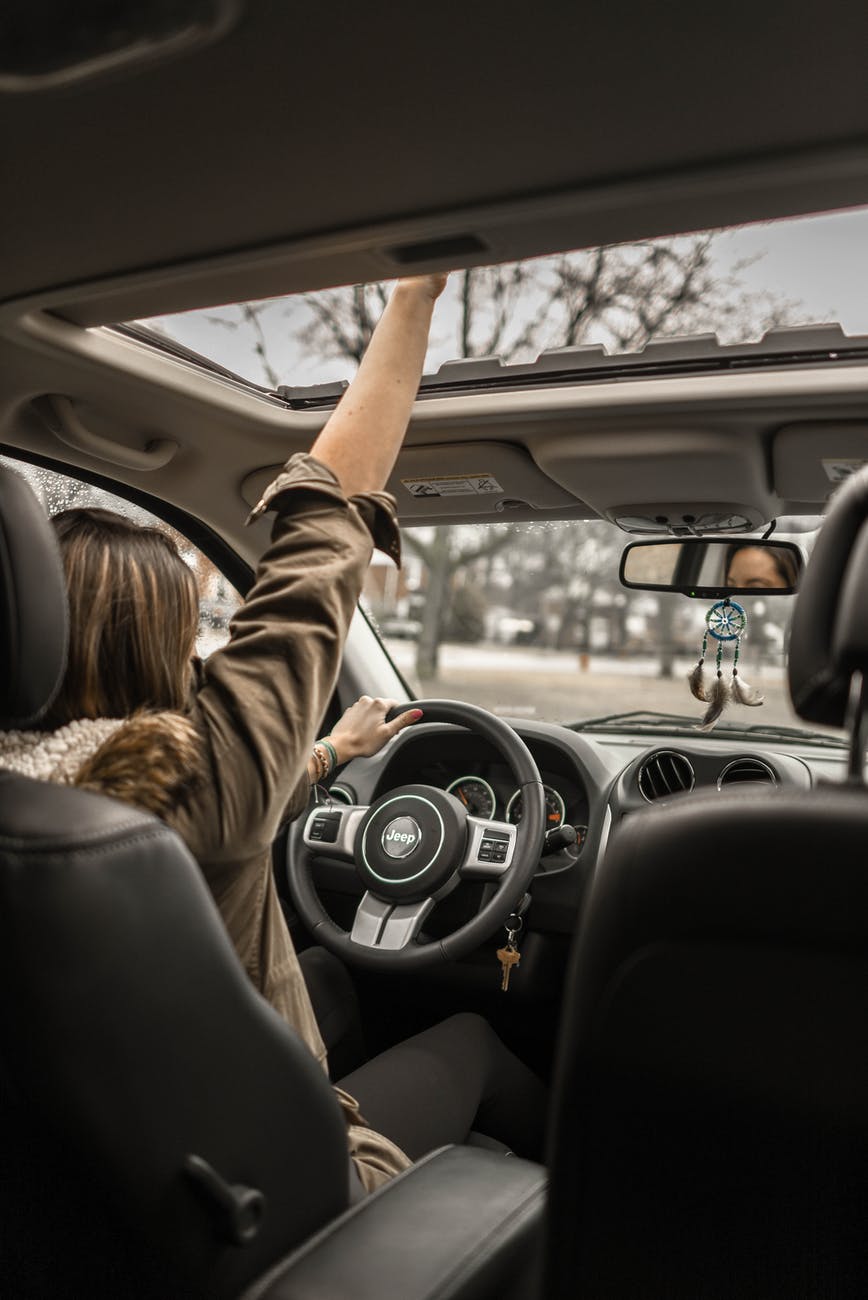
Let me tell you about the day I drove home with a female Careem driver. This wasn’t the first time I’d been in a car with a woman behind the wheel. No, this was my first time in a car with a woman behind the wheel in Pakistan. Here it is quite ordinary to hear comments like “Uff! A lady driver” and “Does she really know how to drive?” I have always scoffed at such ridiculous stereotypes.
So I was delighted when I saw my driver expertly weaving her way through traffic and selecting the best routes. She knew the city like the back of her hand. As for me, I happily sat back to enjoy the shattering of one ridiculous stereotype. It was an empowering moment.
About Women Empowerment

Women’s empowerment is the process of accelerating the capacity of girls to form choices and to rework those choices into desired actions and outcomes. It entails improving women’s access to economic opportunities, increasing girls’ access to education, supporting maternal and child health, combating gender-based violence and increasing women’s political and civic participation. Today, we all know it’s the key to economic process, political stability, and social transformation. Not to mention the innumerable ways in which it can redefine the lives of millions of Pakistani women.
Women’s rights in Pakistan
In 2005, a doctoral study by Samina Malik of the International Islamic University highlighted the importance of women empowerment. The study explored to what extent participation in higher education offers empowerment to women in Pakistan. Female Respondents highlighted economic independence and an increased standing within family and society as the main benefits of higher education participation. Unfortunately, according to a report published in 2018 by the Human Rights Watch nearly 22.5 million children are out of school.
Thirty-two percent of primary-school-age girls are out of faculty in Pakistan, compared to 21 percent of boys. By grade six, 59 percent of women are out of faculty, versus 49 percent of boys. Only 13 percent of women are still in a class by ninth grade. Both boys and girls are missing out on education in unacceptable numbers, but girls are worst affected.
Furthermore, women constitute 49% of Pakistan’s population, yet they constitute only 24% of the labour force. The women who do go to work face obstacles every step of the way. From discriminatory practices and unequal pay to harassment in the workplace and on public transport. Discouragement takes over them, ultimately leading to their dependency on their families. Financially dependent women are then less likely to be able to make choices and decisions for themselves.
Measures we can take

So what can we do to empower women? An effective but simple strategy is to use social media platforms. The famous #MeToo movement started with a single tweet but its events are still unfolding across the globe. Therefore, it is essential that we use social media to raise awareness about women empowerment.
This will result in more young women and men who are aware of a woman’s rights. They will then more likely support constitutional changes benefitting women and demand strict reinforcement of existing regulations. We also need to support measures taken by the government and NGOs to increase literacy, provide more employment opportunities for women, and ensure that victims filing harassment cases receive proper legal guidance.
Young people are the future of this country and our united efforts can bring about a cultural shift and a change in mindset towards women empowerment that is perhaps the best way to ensure lasting change within our society. Together we can create a country where more girls complete their education and have the freedom to choose rewarding careers.
A safe place with less domestic abuse and strict laws against harassment of any kind. A society involving women in policy and decision making and a country where it isn’t such a novelty to meet a female Careem captain but just another part of our everyday lives.


Comments are closed.