
The Indian subcontinent has a history of five millennium years. It consists of a large area, currently three independent states namely India, Pakistan, and Bangladesh. The history of the subcontinent starts with the civilization of the Indus valley; this time is called the Pre-Vedic or Vedic period. Therefore, these people had a strong culture and developed profound arts. These arts include sculptures, dance and music, paintings, and architecture.
Sculptures: Arts of Molding
The production of figurative and abstract work of arts in three dimensions by carving, modeling, or welding. Historians found sculptures in the most ancient civilizations of Mohanjodaru and Harappa i.e. 2300-1700 B.C. Notably, there were animal and human forms, with fine details. In addition to this historians found the seals engraved with figures and motifs.

Religious obligations resulted in the ban of sculptures in Buddhism at that time. This art of sculptures in Buddhism was revived by Asoka Maurya. He engraved Buddhist relic shrines with his teachings and sermons of Buddha. Asoka’s era is a remarkable period in the history of Indian Arts because of its fine, technical, and bold designing i.e. 184 B.C.
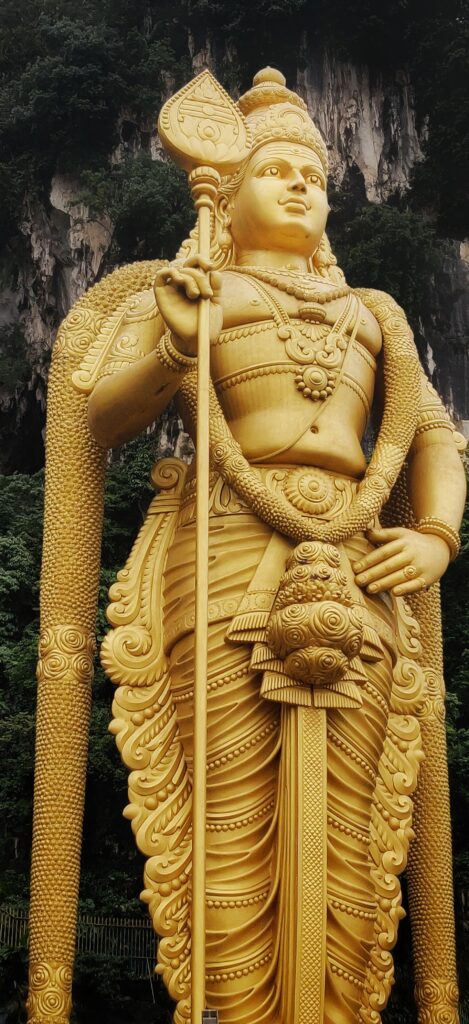
The Gupta Empire (319-510 A.D.) portrayed different gods of the Hindu religion satisfactorily. Thus, this age is known as the “classical age of sculptures” in Indian history. Rajput Era also portrayed gods with religious fervor and passion. In the Mughal Era, this art was not active because of Islamic demonetization.
Dance and Music: The Performing Arts
The history of performing arts like dance and music is as old as the history of the subcontinent. Historians discovered the torso of a dancing girl in Harappa. On the other hand, musical instruments of that time were flutes and drums. Likewise, Hinduism has a special inclination towards dance and music as a religious practice. They have hymens (religious songs) to sing in the era of Aryans and Brahmanism.
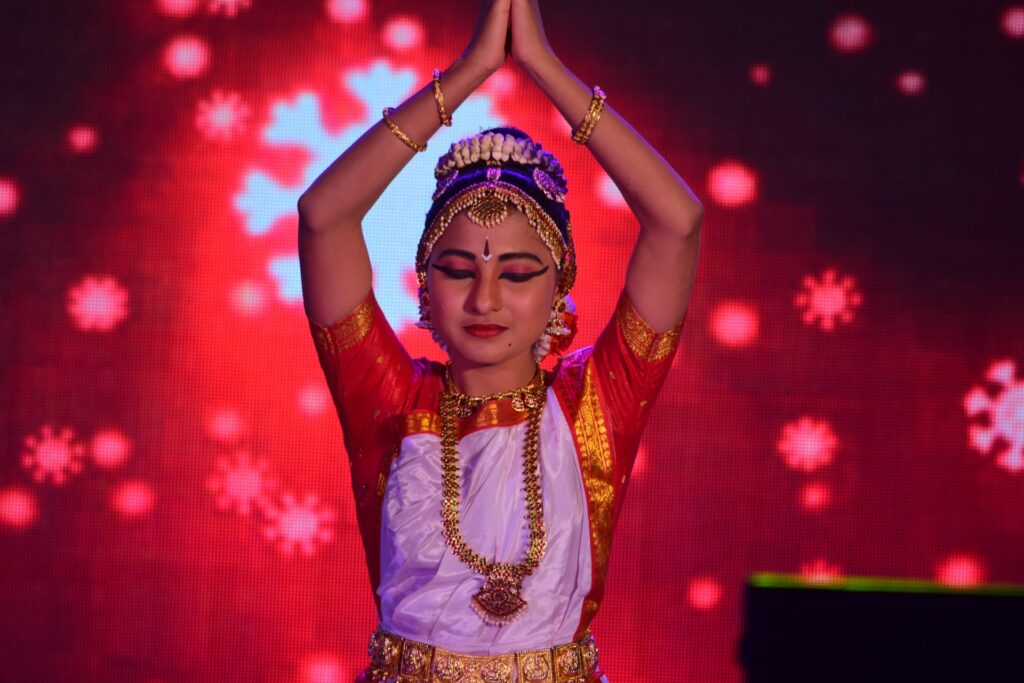
In Hinduism the dance has religious associations; the Hindu god Lord Shiva is the legend of dance. Secondly, Karisha and Radha; the cosmic-lovers danced for the pleasure of the divine and got freedom. Thirdly, Brahmins, and Buddhist literature show the arts of music and musical practices in those eras.
Dancing become necessary in upcoming times as in the Gupta regime and was a distinction of the elite class. Even some rulers of this era were musicians and used to play music by themselves. Similarly in Hinduism singing and dancing were considered as the means of showing religious sensations in the Rajput Era.

Last but not least the rulers of the Mughal Empire had great enthusiasm towards music. The emperors have special gatherings of poets in their courts to mesmerize the imaginations of courtiers. The only dance practice observed in this regime is KATHAK with all its emotions.

Paintings

The origin of the art of paintings can be traced back to Hinduism and Buddhism in the subcontinent. These paintings represent their god and goddesses. Their festivals were incomplete without the decoration of homes, streets, doors, and villages with paintings and pictures.

Besides this Khilji and Tugllhuq emperors hired indigenous painters in their courts. The paintings of their time include calligraphy and garden scenes. The Mughals had an elegant taste in arts. This style of paintings in the Mughul era is known as MINIATURE. Akbar was a painter since his childhood and laid the foundation of the first art school in India.
Architecture
It is discovered that all houses in Harappa and Mohanjo Daro had been built with baked bricks and proper drainage systems. But no signs or remains of this architecture were visible in the Maurya Era. However, their literature reveals that they had houses made of mud and wood. Afterward, there are remains from Gandhara civilizations; high pillars with open roof structures and are still present in Peshawar, Taxila, and cities of Rawalpindi. On the other hand, Hindu architecture was at peak during the Gupta regime they built the Mandirs (House of gods) in different parts of India.

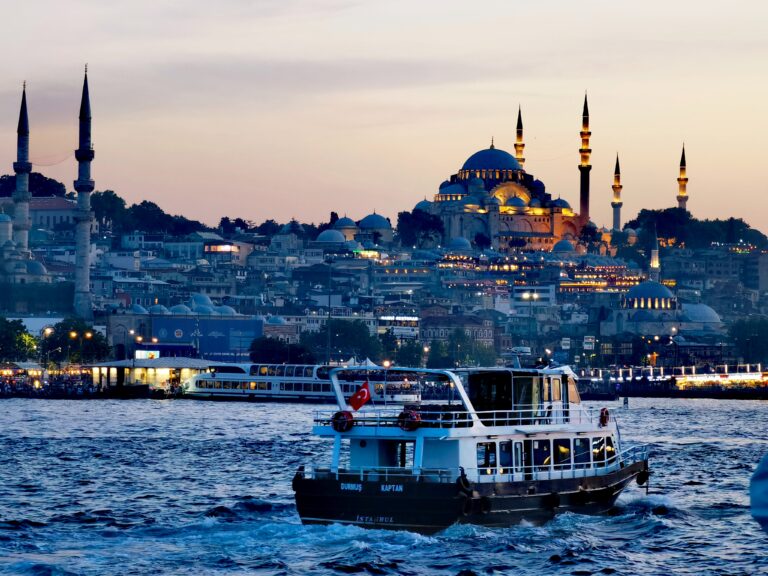
Finally, Mughal’s period is famous for its magnificent art of architecture. Instead of dominated by sculptures the buildings were inscribed by the miniatures and scriptures from the Holy Quran. The Mosques and the Grave were the important buildings; some famous examples are the Taj Mahal, Badshahi Mosque, the Rohtas Fort, Diwan-e-Khas, and Shalimar Garden.
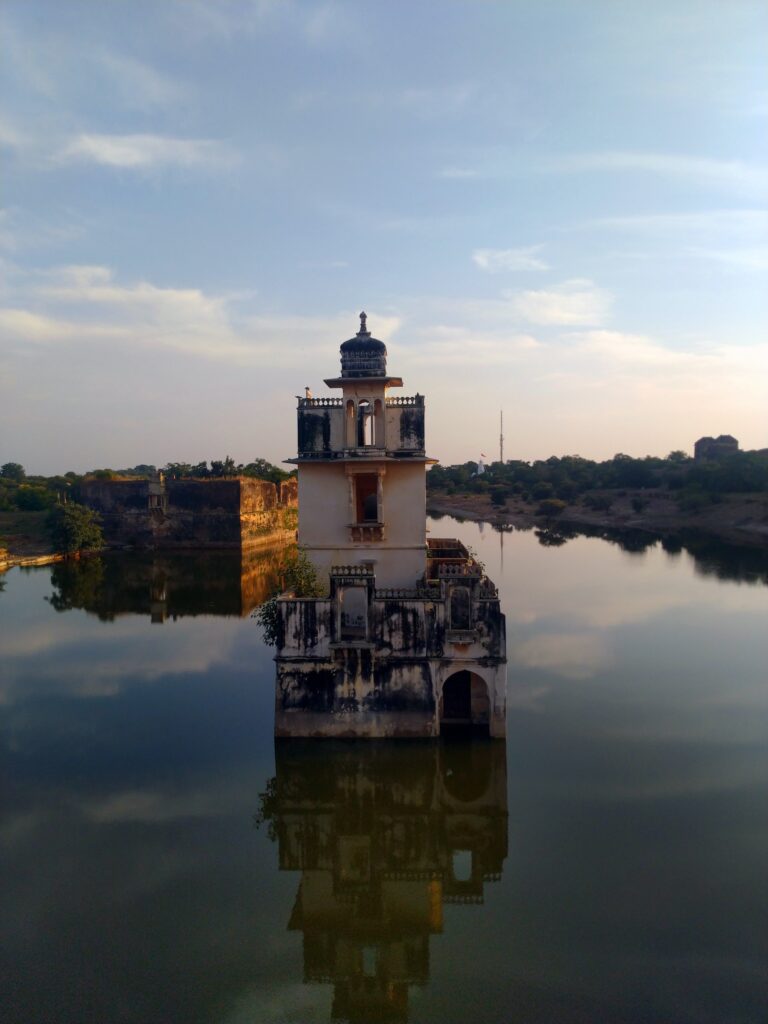
In a nutshell, the history of the arts of the subcontinent is a reflection of diverse cultures, rituals, and evolution. There is no doubt that the arts of the subcontinent are of idealistic nature and are still an inspiration for present artists as well as an attraction for the foreign world and tourists.