
Electric Vehicles (EVs) have steadily gained traction worldwide as an eco-friendly alternative to conventional fuel-powered cars. In Pakistan, the introduction of EVs marks a significant shift in the country’s automotive landscape, driven by the need to reduce carbon emissions, lower dependency on imported oil, and meet the growing demand for cleaner energy solutions.

1-Why Electric Vehicles in Pakistan?
The shift towards Electric Vehicles (EVs) in Pakistan is driven by several critical factors. First and foremost is the growing concern over environmental degradation. Pakistan, like many countries, is grappling with escalating pollution levels, particularly in densely populated urban centers like Karachi, Lahore, and Islamabad. EVs, which produce zero tailpipe emissions, offer a practical solution to reducing harmful greenhouse gases and improving air quality.
Additionally, Pakistan’s heavy reliance on imported oil has made the economy vulnerable to global oil price fluctuations, leading to increased fuel costs for consumers. EVs, which run on electricity, can help mitigate this issue by reducing dependency on fossil fuels. Given Pakistan’s energy landscape, which includes significant potential for renewable energy sources such as solar and wind power, EVs align with the country’s long-term goals of sustainable energy development.
The government of Pakistan has also recognized the importance of transitioning to electric mobility. As part of its National Electric Vehicle Policy (NEVP), the government has introduced various incentives, including reduced import duties on EVs, tax exemptions, and other financial benefits aimed at encouraging both manufacturers and consumers to embrace EV technology. These incentives are designed to stimulate growth in the EV market and attract foreign investment.
Moreover, urbanization and the rise of a tech-savvy middle class have created a demand for modern, environmentally friendly transportation solutions. The introduction of EVs not only meets this demand but also supports the country’s broader goals of becoming part of the global effort to combat climate change and promote sustainable development. In this context, EVs represent an important step towards a cleaner, more energy-independent future for Pakistan.
2-Benefits for Consumers:
Electric Vehicles (EVs) offer several compelling benefits to consumers in Pakistan, making them an increasingly attractive alternative to traditional fuel-powered vehicles. One of the most significant advantages is the reduction in running costs. EVs are far cheaper to operate compared to vehicles with internal combustion engines (ICEs), as electricity is more affordable than gasoline or diesel. Charging an EV at home or at public stations can save consumers a substantial amount in fuel costs over time.
In addition to fuel savings, EVs have much lower maintenance requirements. Unlike ICE vehicles, EVs do not have complex components such as fuel pumps, exhaust systems, or oil filters, which often require regular maintenance and repairs. With fewer moving parts and no need for oil changes, EVs experience less wear and tear, reducing the long-term cost of ownership. This makes them particularly appealing to cost-conscious consumers who are looking for economical transportation options.
Government incentives also play a crucial role in making EVs more accessible to consumers. In Pakistan, the government has introduced various tax breaks and reduced import duties on EVs, lowering the upfront cost of purchasing an electric car. These financial benefits, combined with the long-term savings on fuel and maintenance, make EVs a more affordable option for many households.
Moreover, as Pakistan’s EV infrastructure continues to develop, with more charging stations being installed in major cities, the convenience of recharging EVs is steadily improving. This increased accessibility is encouraging more people to consider EVs as a viable alternative to traditional cars.
Another benefit of EVs is the enhanced driving experience. They are quieter, providing a smooth and noise-free ride, which enhances comfort, especially in busy urban areas. Many EVs also come equipped with advanced technology features such as regenerative braking, smart driving systems, and enhanced safety features, offering a modern, tech-driven experience that appeals to younger, tech-savvy consumers.
In summary, the combination of lower running costs, reduced maintenance expenses, government incentives, and a more convenient driving experience makes EVs a highly beneficial choice for consumers in Pakistan. These advantages not only align with consumer preferences for cost-effective and sustainable transportation but also help pave the way for a greener future.

3-New Entrants in Pakistan’s EV (Electric Vehicles) Market:
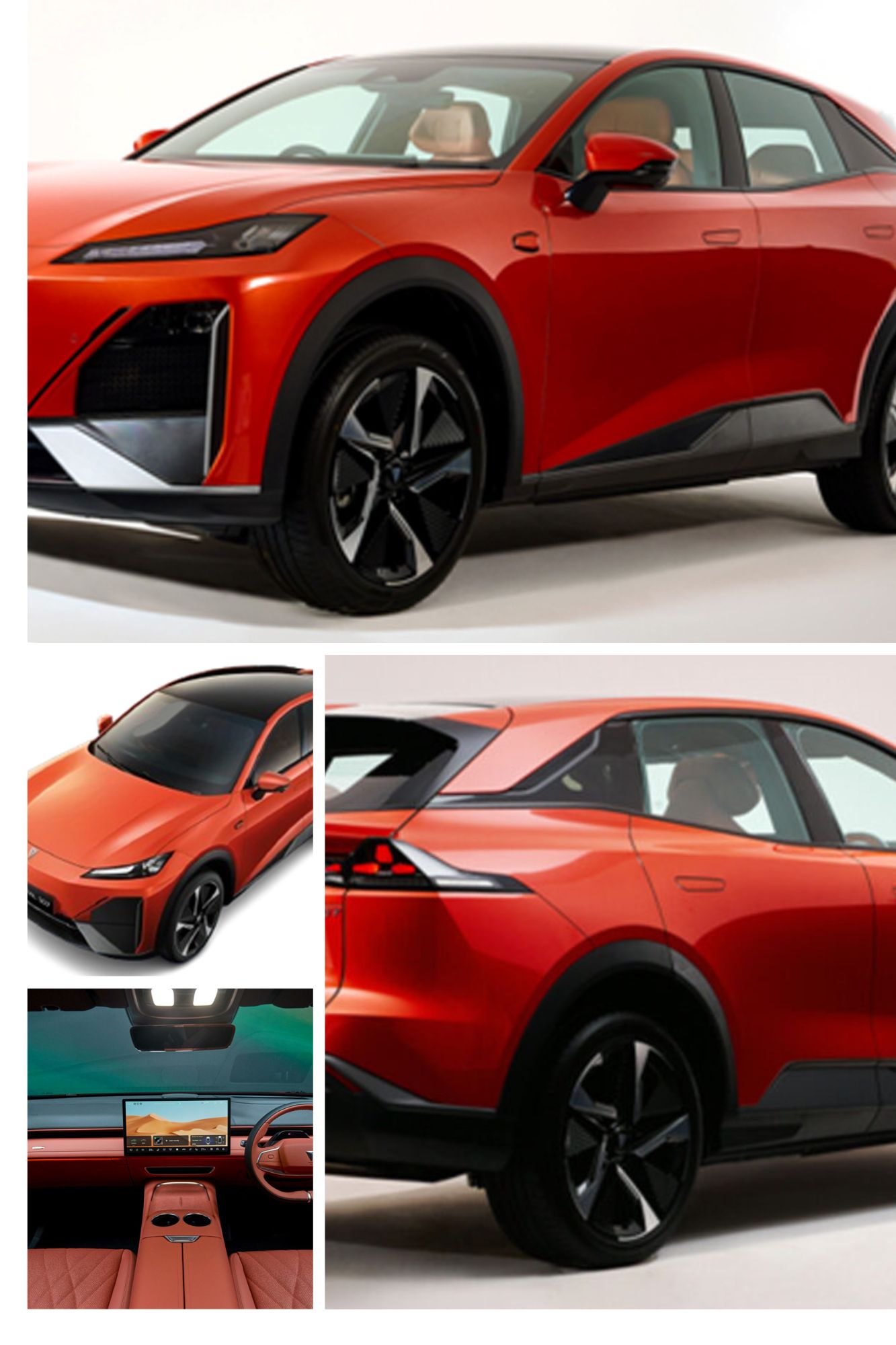
Several new players have entered Pakistan’s EV market, each with a vision of transforming the local automotive industry. Chinese automaker BYD has introduced the Atto 3, an electric SUV that combines efficiency with cutting-edge technology. Similarly, Changan has launched its Deepal SL03, a sleek, energy-efficient sedan aimed at urban consumers. These entrants are committed to making EVs more accessible and appealing to the Pakistani market, offering competitive prices and innovative features.
4-Public Perception and Challenges:
The public response to EVs in Pakistan is mixed. On the positive side, many view EVs as a step forward in reducing environmental impact and lowering fuel costs. However, concerns remain regarding the availability of charging infrastructure, the initial high purchase price, and the long-term reliability of EV technology in Pakistan’s varied climatic conditions.
In conclusion, while the journey of Electric Vehicles (EVs) in Pakistan is just beginning, it holds promise for a greener future. The success of this transition will depend on how well the challenges are addressed and how quickly the benefits become apparent to the average consumer.
Click here to read more if you’re on the go or planning your next adventure! -> Turkey: 8 Places You Should Not Miss!


